Why Food Hygiene Enforcement Is Increasing Across the UK
Local authorities across the UK are placing greater scrutiny on food hygiene standards than ever before. This shift reflects growing awareness of the public health risks linked to inadequate cleaning, pest activity and poor sanitation within food preparation environments. Councils have a legal duty to protect consumers and inspection regimes are becoming increasingly thorough. Officers assess everything from food storage practices and equipment condition to cleaning schedules, staff training and pest control management.
Recent enforcement action against a takeaway in Hayes, where inspectors identified insect infestation, expired food and heavily soiled kitchen equipment, demonstrates how serious breaches are now treated. The operator was fined, ordered to pay prosecution costs and temporarily closed until improvements were made. Cases like this highlight that councils are moving beyond informal warnings and are prepared to pursue legal action where standards fall short.
For food businesses, compliance requires more than reactive cleaning. It demands structured hygiene management, documented processes and regular specialist support. Investing in professional services, including kitchen hygiene certification, helps demonstrate due diligence, supports inspection readiness and shows regulators that hygiene standards are being maintained consistently and professionally.

What Happens When Businesses Fail to Meet Standards
When food hygiene standards are not maintained, councils follow a structured enforcement process. This typically begins with a Hygiene Improvement Notice outlining specific breaches and setting a deadline for corrective action. Where there is an immediate risk to public health, officers can issue a Hygiene Emergency Prohibition Notice, which may result in immediate closure of the premises.
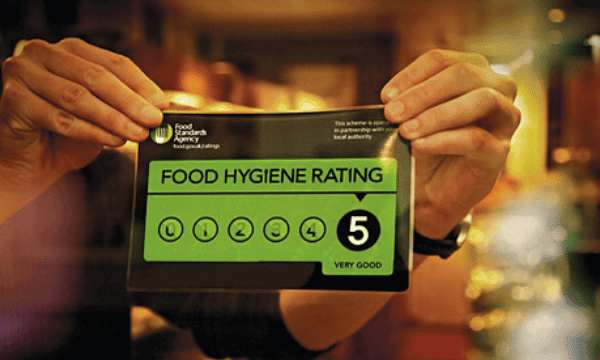
More serious or repeated failures can lead to prosecution under Food Safety and Hygiene Regulations. Businesses may face substantial fines, legal costs and, in some cases, criminal convictions. A poor Food Hygiene Rating can also have a significant commercial impact. Ratings are publicly accessible and customers often check them before choosing where to eat or order from.
Enforcement action can quickly become public knowledge, damaging trust and reducing customer confidence long after issues are resolved.
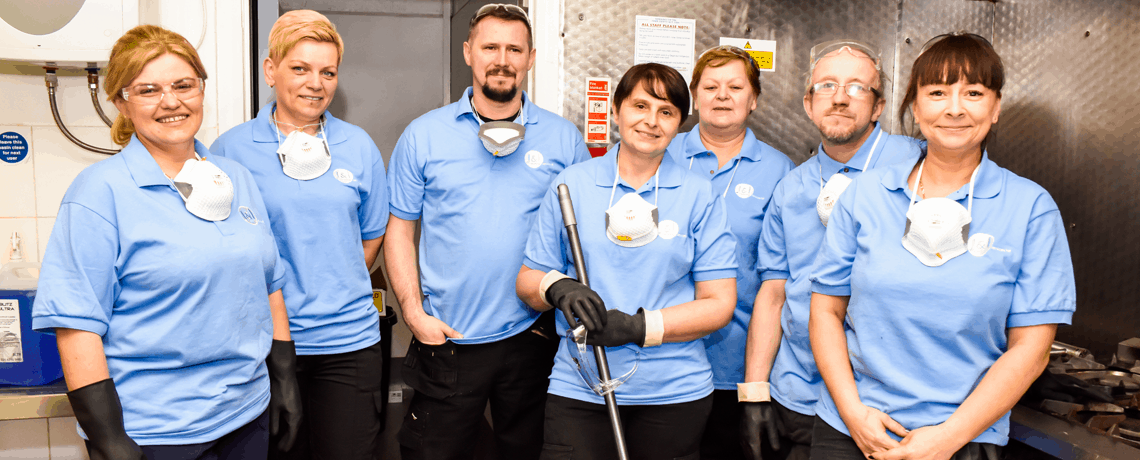
At J&I Cleaning, we help businesses identify potential risks before they become enforcement matters. Our free kitchen hygiene assessment allows operators to address compliance gaps early, strengthen their cleaning procedures and protect both their reputation and their revenue.
The Real Cost of Poor Hygiene: Fines, Closures and Reputation Damage
Failing to maintain proper hygiene standards does not just result in a warning. The consequences can be immediate, public and financially damaging. Councils now take a firm approach where serious breaches are identified, and enforcement action can escalate quickly.
The financial penalties alone can be significant. Fines often run into thousands of pounds, particularly where there is evidence of pest infestation, unsafe food storage or unclean preparation areas. However, the wider business impact is often far greater than the fine itself.
Food businesses that fall short may face:
- Temporary or immediate closure of the premises
- Prosecution and court costs
- Publicly accessible low Food Hygiene Ratings
- Loss of customer trust and reduced footfall
- Negative media coverage and online scrutiny
Once a business has been associated with hygiene failings, restoring its reputation can take considerable time and investment. Customers expect consistently high standards, and confidence can drop rapidly when cleanliness is questioned.
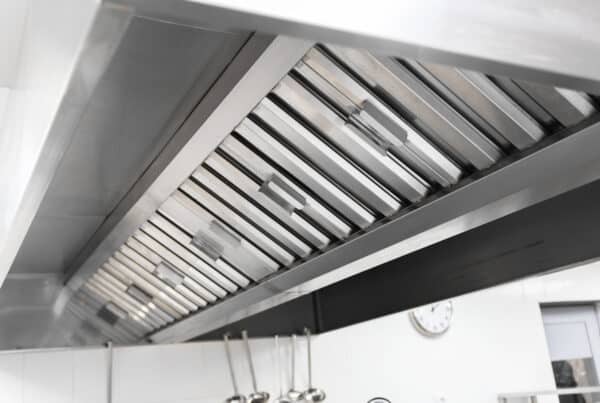
Investing in professional commercial kitchen cleaning helps remove grease build-up, eliminate contamination risks and maintain safe working environments. Preventative hygiene support is always more cost-effective than responding to enforcement action after damage has already been done.