1. Preparing Your Restaurant for a Thorough Deep Clean
At J&I Cleaning, we understand that maintaining a clean and hygienic restaurant requires more than everyday cleaning routines. A thorough deep clean involves careful planning to ensure front-of-house areas, commercial kitchens and extraction systems receive the attention they need.
Before arranging a professional deep clean, we recommend that restaurant managers assess their premises, identify areas requiring specialist attention and coordinate cleaning around operating hours to minimise disruption.
To help prepare your restaurant, our team recommends the following steps:
- Remove or securely store food, utensils and loose equipment.
- Clear work surfaces and move furniture where appropriate.
- Identify hard-to-reach areas requiring specialist cleaning.
- Arrange access to kitchens, storage rooms and ventilation systems.
- Communicate any specific cleaning requirements to your contractor.
- Allow sufficient time for a final inspection before reopening.
Taking these steps helps ensure the cleaning process runs efficiently and that all areas of your restaurant receive appropriate attention.

2. Front-of-House Deep Cleaning Checklist
Your restaurant’s dining areas are among the first things customers notice, making cleanliness essential for maintaining a welcoming environment. At J&I Cleaning, we recommend giving front-of-house areas the same attention as commercial kitchens, including surfaces and spaces that everyday cleaning may overlook.
Restaurant managers can use the following checklist to identify areas requiring attention:
- Tables and seating: Thoroughly clean tables, chairs, booths and upholstery, including underneath seating and furniture.
- Floors and carpets: Address embedded dirt, stains and debris around skirting boards, corners and high-traffic areas.
- Bar and serving areas: Clean counters, shelving, display units and frequently touched surfaces.
- Customer toilets: Deep clean sinks, taps, toilets, mirrors, wall tiles and other fittings, paying particular attention to grout and hard-to-reach areas.
- Windows and entrances: Remove dirt, fingerprints and dust from glass panels, doors, window ledges and entrance areas.
- Overlooked surfaces: Inspect accessible light fittings, ventilation grilles and decorative features where dust can accumulate.
For restaurants requiring additional support, our restaurant cleaning services can help maintain hygienic, presentable dining environments while allowing staff to focus on their daily responsibilities.
3. Back-of-House and Commercial Kitchen Deep Cleaning Checklist
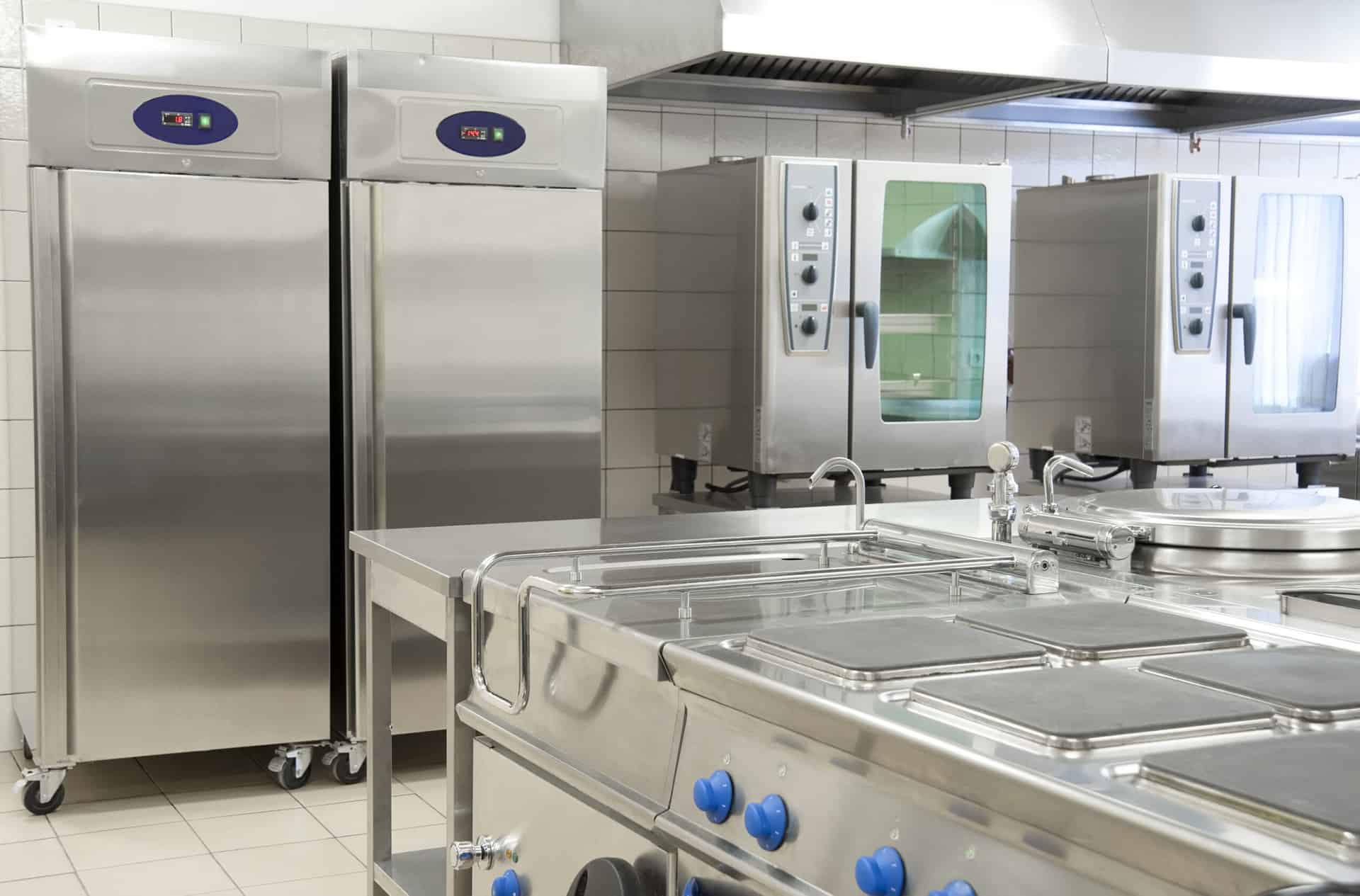
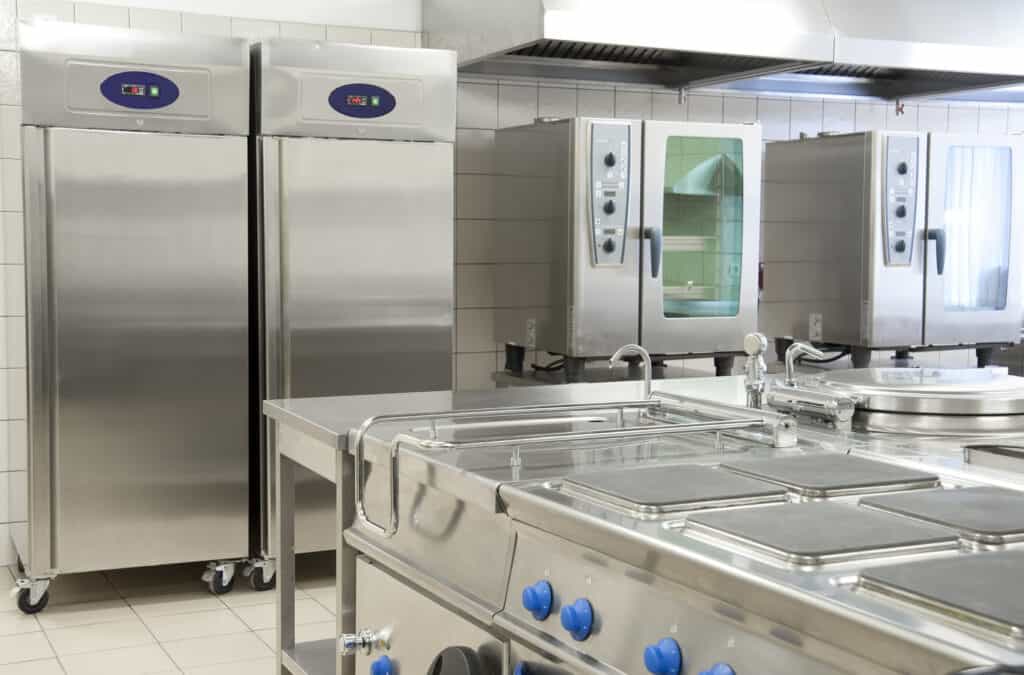
Commercial kitchens require particular attention due to the accumulation of grease, food debris and moisture around cooking equipment and preparation areas. At J&I Cleaning, we recommend that restaurant managers look beyond routine cleaning tasks to identify areas where dirt and contamination can build up over time.
A comprehensive kitchen deep cleaning checklist should include:
- Cooking equipment: Thoroughly clean ovens, grills, fryers and hobs, paying attention to grease deposits and areas that are difficult to access.
- Behind and beneath appliances: Remove accumulated food debris, grease and dust from areas underneath and behind cooking equipment, where safe access is possible.
- Food preparation surfaces: Clean and sanitise worktops, preparation tables, splashbacks and other food-contact surfaces using appropriate methods.
- Storage areas: Inspect shelving, cupboards and food storage spaces for spills, residue and accumulated dirt.
- Walls, floors and ceilings: Address grease deposits, stained surfaces, floor edges and difficult-to-reach corners.
- Drainage areas: Check accessible floor drains and surrounding surfaces for trapped debris and grease accumulation.
For areas requiring specialist attention, our commercial kitchen deep cleaning services can help tackle stubborn grease and contamination that routine cleaning may not adequately address.
Before reopening the kitchen, managers should inspect completed work and confirm that equipment, preparation surfaces and food storage areas are clean and ready for use.

4. Extraction and Ventilation Systems: What Managers Should Check
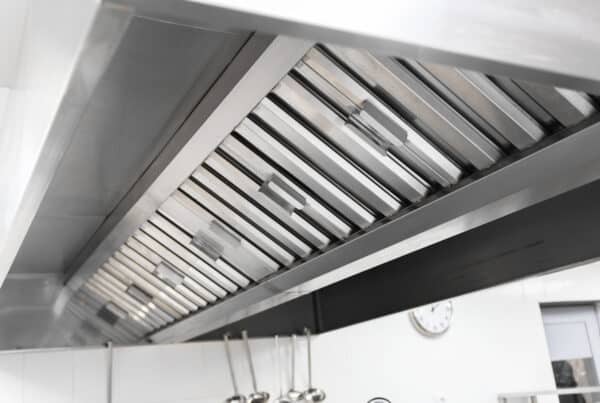
Commercial kitchen extraction systems play an important role in removing airborne grease, smoke and cooking fumes. However, grease and other contaminants can accumulate within ventilation components, including areas that are not visible during routine cleaning.
At J&I Cleaning, we recommend that restaurant managers include extraction and ventilation systems in their deep cleaning checklist, paying particular attention to the following areas:
| Area | What to Check |
|---|---|
| Extractor hoods | Visible grease deposits around canopies, edges and accessible surfaces. |
| Grease filters | Accumulated grease, damaged filters and whether filters are correctly fitted. |
| Extractor fans | Unusual noises, reduced extraction performance and visible contamination. |
| Ventilation ductwork | Availability of inspection access points and when the system was last professionally assessed. |
| Cleaning records | Dates of previous cleaning, completed work and any outstanding maintenance recommendations. |
While restaurant staff can monitor visible components, internal ductwork and extraction equipment often require specialist attention.
Our professional kitchen extractor cleaning services help remove accumulated grease and contamination from extraction systems, supporting kitchen hygiene and reducing potential fire hazards.
Managers should also retain records of specialist cleaning and address any recommendations identified during inspections.
5. Final Inspection and Maintaining a Clean Restaurant
Once the deep cleaning process is complete, restaurant managers should conduct a final inspection to ensure all agreed areas have been addressed. At J&I Cleaning, we recommend reviewing the completed work against the original checklist before returning the premises to normal operation.
During the final inspection, managers should:
- Inspect cleaned surfaces: Check dining areas, kitchen equipment, floors and other surfaces for any remaining dirt or grease.
- Check equipment: Ensure appliances, furniture and removable components have been correctly repositioned and are ready for use.
- Review cleaning records: Confirm that specialist cleaning tasks have been documented, particularly those involving extraction systems.
- Identify outstanding issues: Record any areas requiring further attention and discuss them with the cleaning contractor.
- Maintain cleaning standards: Assign ongoing cleaning responsibilities and establish regular checks to prevent dirt and grease from accumulating.
A professional deep clean should complement your restaurant’s everyday cleaning procedures rather than replace them.
At J&I Cleaning, we help restaurants maintain clean, hygienic environments through professional cleaning solutions tailored to their premises and operational requirements.