
Why Ventilation Cleaning Matters in Building Retrofit Projects
Building retrofit projects often focus on improvements such as better insulation, upgraded heating systems, new windows and more efficient equipment. However, one important aspect that can be overlooked is the condition of the building’s existing ventilation system.
Over time, ventilation ductwork, filters and fans can accumulate dust and debris, potentially restricting airflow and affecting system performance. If these issues are not addressed during refurbishment, they may limit the benefits of other building improvements.
Retrofitting can also change how air moves throughout a property. Improved airtightness, alterations to internal layouts and new mechanical systems can all influence ventilation requirements. In England, Approved Document F provides guidance on ventilation requirements under the Building Regulations, including considerations relevant to existing buildings.
Including ventilation cleaning within the initial refurbishment plan allows facilities managers and contractors to assess existing systems before work begins. This can help identify maintenance requirements, arrange suitable access and coordinate cleaning with other building improvements.
By considering ventilation hygiene from the outset, building owners can take a more coordinated approach to refurbishment and support the long-term performance of their ventilation systems.

Assessing Existing Ventilation Systems Before Refurbishment Begins
Before undertaking a building retrofit, facilities managers should assess the condition of existing ventilation systems. Dust accumulation, blocked filters, contaminated ductwork and ageing components can all affect performance, particularly when refurbishment work changes how air circulates throughout the building.
As highlighted in FMJ’s September 2026 article, Retrofit Revolution, ventilation, fire barriers, membranes and other building components must work together. Small installation or maintenance oversights can create problems that only become apparent after refurbishment is completed.
A thorough pre-retrofit ventilation assessment should consider:
- Ductwork condition: Check for accumulated dust, debris, contamination and potential airflow restrictions.
- Filters and air handling units: Identify blocked filters, worn components and areas requiring specialist maintenance.
- Ventilation access: Ensure inspection panels, ductwork and other components remain accessible following refurbishment.
- Maintenance records: Review previous cleaning reports, inspections and outstanding issues requiring attention.
Where problems are identified, professional ventilation hygiene cleaning can be scheduled alongside other building improvements, reducing the likelihood of newly installed finishes obstructing essential maintenance work.
Documenting these findings also helps contractors coordinate their activities, ensuring ventilation requirements are considered before structural alterations or new installations begin.
How Ventilation Cleaning Supports Airflow and Energy Efficiency
Building retrofit projects often aim to improve energy efficiency, but the performance of existing ventilation systems can influence how effectively these improvements work together. Even when heating and insulation upgrades are completed, poorly maintained ventilation equipment may continue to operate inefficiently.
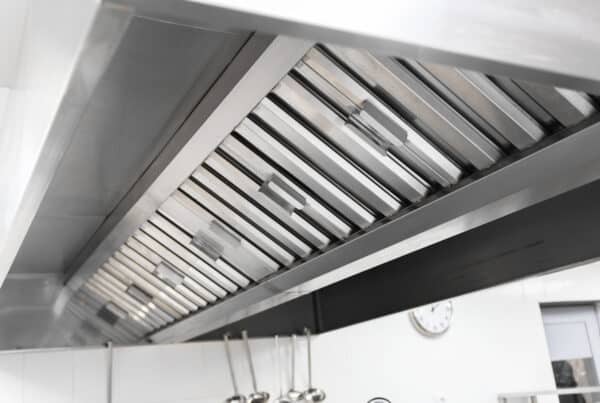
Over time, dust and debris can accumulate within supply and extract ductwork, fans and air handling units (AHUs). These deposits can restrict airflow and increase resistance within the system, potentially requiring fans to work harder to maintain the intended ventilation rates.
Professional fresh air ventilation cleaning can help address these issues by removing accumulated contaminants from accessible ventilation components. This supports effective airflow and may improve operational efficiency where contamination has been affecting performance.
As highlighted in the Retrofit Revolution article, successful refurbishment requires an understanding of how a building performs as a connected system rather than focusing on individual materials or improvements.
For facilities managers, this means coordinating ventilation cleaning with heating upgrades, insulation work and any necessary system adjustments. Assessing airflow before and after refurbishment can also help identify whether further maintenance, balancing or commissioning is required to support long-term building performance.

Coordinating Ventilation Hygiene with Fire Safety and Building Works
Ventilation cleaning should be coordinated with other refurbishment activities to ensure building systems remain accessible, functional and properly maintained. Structural alterations, upgraded heating systems and fire-safety improvements can all affect existing ventilation infrastructure.
As highlighted in Retrofit Revolution, involving relevant specialists early can help prevent installation errors, unnecessary disruption and costly remedial work.
The following table outlines how ventilation maintenance can be coordinated with common retrofit activities.
| Retrofit activity | Ventilation considerations |
|---|---|
| Structural alterations | Maintain access to ductwork, inspection panels and ventilation equipment. |
| Heating and HVAC upgrades | Coordinate duct cleaning with equipment installation and system commissioning. |
| Fire-safety improvements | Check fire damper accessibility and ensure fire compartmentation is maintained. |
| Final inspections | Record completed cleaning, testing and outstanding maintenance requirements. |
Fire dampers are particularly important because they are designed to limit the spread of fire through ventilation ductwork. Scheduling professional fire damper testing alongside refurbishment activities helps identify potential operational issues before the building returns to normal use.
Maintaining clear communication between contractors, facilities managers and fire-safety specialists also supports accurate documentation. Recording inspection findings, completed work and outstanding issues provides valuable evidence for future maintenance and building management.
Maintaining Ventilation Performance Beyond the Retrofit
Completing a building retrofit is only one stage in improving long-term building performance. Once refurbishment work is finished, ongoing ventilation maintenance is essential to ensure systems continue operating effectively and any improvements achieved are properly maintained.
As discussed in Retrofit Revolution, buildings may remain in use for decades following refurbishment, making decisions about durability, maintenance and accessibility particularly important.
Facilities managers should establish a maintenance programme that reflects the building’s occupancy, ventilation requirements and system condition. This should include regular inspections, filter replacement, ductwork assessments and specialist cleaning where necessary.
Maintaining accurate records is equally important. Cleaning reports, inspection findings, airflow measurements and details of completed repairs can help building managers monitor system condition, identify recurring issues and plan future maintenance.
Following refurbishment, ventilation systems may also require additional performance checks to confirm that airflow remains appropriate for the building’s updated layout and intended use.
Ultimately, successful retrofitting involves more than installing new materials or upgrading equipment. By incorporating ventilation hygiene into ongoing building management, property owners can support reliable system performance, maintain appropriate indoor air quality and protect the long-term value of their refurbishment investment.